COP31 opens in Anatalya as 1.5°C warming goal slips out of reach
. . . world faces critical climate test; puts climate resilience, clean energy and a just transition in global spotlight amid urgent calls for climate action, finance and emissions cuts
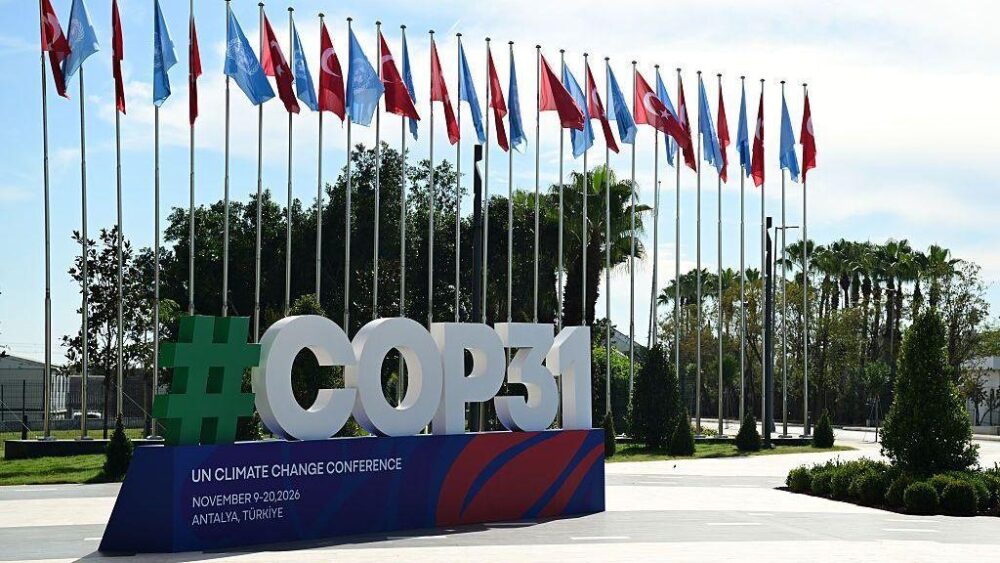
- As COP31 unfolds, the central challenge will be whether governments can bridge their differences over financing, emissions reductions and adaptation while translating climate promises into measurable results.
The 31st United Nations Climate Change Conference (COP31) kicked off in Antalya, Türkiye, running November 9 to 20, with countries facing mounting pressure to turn climate commitments into concrete action amid rising global temperatures, extreme weather events and growing concerns over climate financing.
The conference is co-chaired by Türkiye and Australia, with Turkish Environment, Urban Planning and Climate Change Minister Murat Kurum serving as president and Australian Minister for Climate Change and Energy Chris Bowen leading the negotiations.
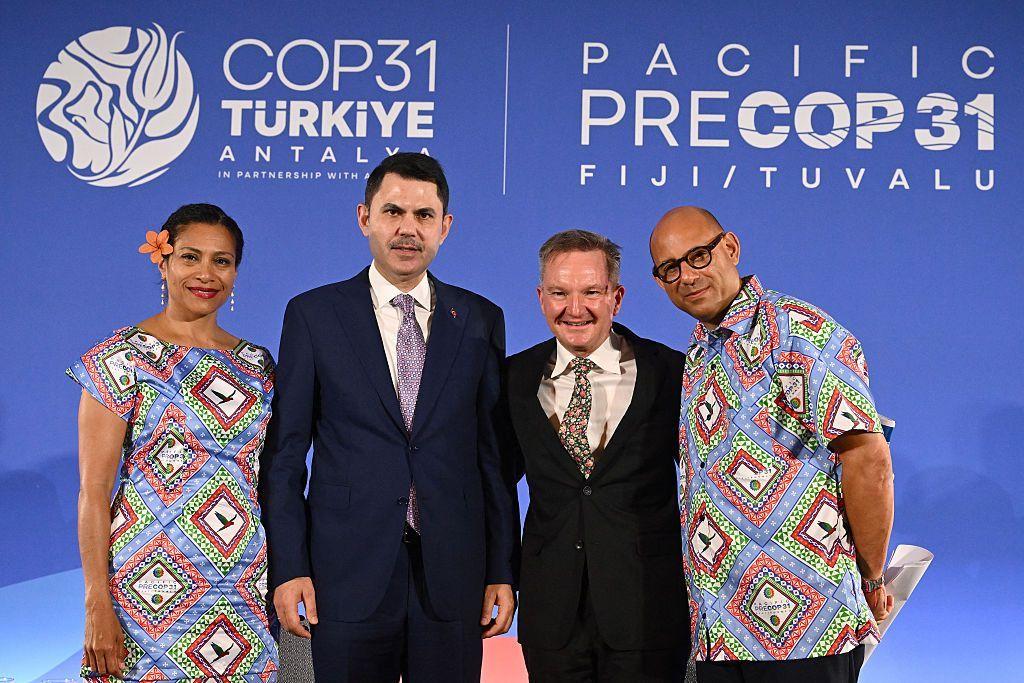
Around 200 countries are represented in the United Nations climate process, which remains the principal international platform for negotiating collective responses to climate change.
COP31 takes place against increasingly alarming climate projections. A United Nations Environment Programme report issued in October warned that the opportunity to limit global warming to 1.5 degrees Celsius has largely been lost.
However, it stressed that rapid and decisive action could still limit temperature increases and potentially bring warming back towards that level by the end of the century.
Concerns are also growing over the expected El Niño climate phenomenon. Scientists warn that its combined effects with human-induced climate change could make 2027 one of the hottest years since temperature records began, adding urgency to negotiations on emissions reductions and climate resilience.
Just transition and protection of workers
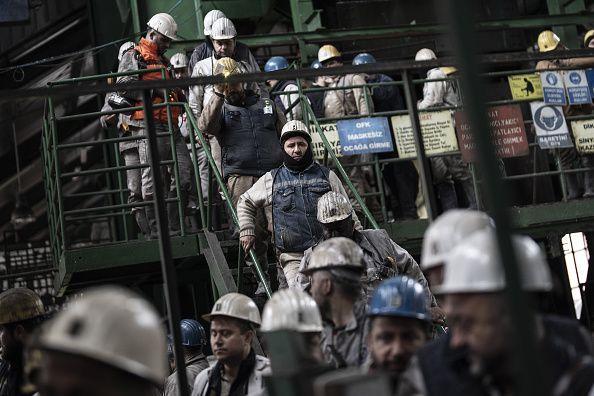
One of the major issues awaiting agreement in Antalya is the proposed Just Transition Mechanism, known as the Belem-to-Antalya Mechanism (BAM), which originated from an agreement reached at COP30 in Brazil.
The mechanism aims to ensure that workers and communities dependent on fossil fuel industries do not bear an unfair economic and social burden as countries shift towards cleaner energy. Its framework is expected to address employment losses, declining incomes and the impact on regions dependent on coal and other carbon-intensive industries.
The COP30 agreement emphasized human rights and the participation of vulnerable groups, including workers, women, indigenous communities, people with disabilities, migrants, young people and those employed in the informal economy.
However, questions remain over the mechanism’s responsibilities, funding sources and its relationship with the transition away from fossil fuels. Discussions held in Bonn in June produced draft proposals, with the final framework expected to be determined in Antalya.
Climate finance remains a major sticking point
Climate financing is expected to be another major point of contention, particularly between developed and developing countries. Developing nations argue that industrialised countries, which bear the greatest historical responsibility for climate change, must provide adequate financial support to help vulnerable economies address its consequences.
Under an agreement reached at COP29 in Baku in 2024, countries committed to increasing annual climate financing for developing nations from $100 billion to $300 billion by 2035. They also agreed to work towards mobilizing a total of $1.3 trillion annually by 2035 through public and private financing and other sources.
However, disagreements persist over how these targets should be achieved. Developing countries want a formal and regular mechanism to discuss contributions from developed countries’ public budgets, while industrialised nations favour a broader approach involving private investment and other financing sources.
Although climate finance features on the initial COP31 agenda, demands for a separate negotiating item on the subject were not accepted, raising the possibility of difficult discussions in Antalya.
Pressure to break emissions reduction deadlock
Negotiations will also seek to resolve the stalemate surrounding the Mitigation Work Programme (MWP), established at COP27 in Egypt in 2022 to focus directly on reducing greenhouse gas emissions.
Countries remain divided over its future role. Some want it to continue as a platform for sharing experiences and discussing financing, technology and barriers to emissions reductions, while others are pushing for stronger policy guidance to encourage more ambitious national action.
The programme’s future and sustainability will be discussed in Antalya, particularly as its current mandate is due to expire at the end of 2026 unless countries agree otherwise.
Adaptation funding and climate resilience
Climate adaptation is another priority, with countries expected to address outstanding disagreements over how to implement agreed targets and measure progress.
At COP30, countries agreed on 59 indicators to assess adaptation efforts, covering areas such as drought protection, infrastructure resilience and biodiversity conservation.
However, negotiations in Bonn failed to settle the structure of the technical working group responsible for developing these indicators. Countries also remain divided over how to monitor the commitment to triple adaptation financing by 2035.
The issue is particularly important for vulnerable communities, including farmers facing crop losses from drought, cities experiencing increasingly severe heatwaves and regions exposed to floods and flash floods.
Türkiye pushes implementation-driven climate agenda
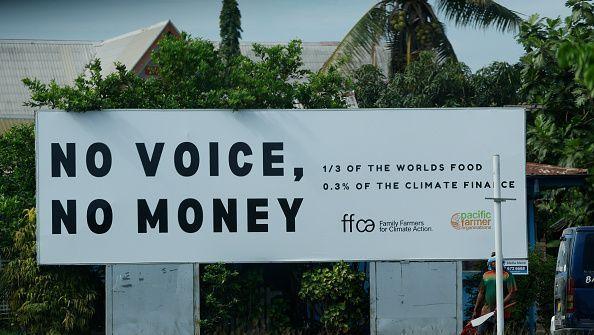
Türkiye has adopted the slogan “Implementation Conference”, seeking to move beyond commitments and accelerate the delivery of climate initiatives through the participation of businesses, investors, cities, local authorities and civil society organisations.
Its proposed Agenda for Action identifies several priorities. These include increasing electricity’s share of final energy demand from slightly above 20 percent currently to 35 percent by 2035, while halving the growth rate of global waste by the same year to help curb methane emissions.
The agenda also seeks to reduce energy consumption intensity in the housing sector by at least 25 percent by 2035 under its Resilient Cities initiative. Another target is to increase the global share of reused materials to at least 15 percent through greater recycling and adoption of circular economy practices.
Additional priorities include strengthening the relationship between oceans and climate change and preparing a declaration addressing the energy consumption of artificial intelligence.
Private investment and climate action
Türkiye has also announced a Climate Action Implementation Bridge initiative aimed at establishing a stronger connection between countries’ Nationally Determined Contributions (NDCs) and their economic policies.
The initiative is intended to encourage greater participation by private capital in emissions reduction projects. However, Türkiye has clarified that it is neither a new fund nor an independent financing mechanism, and will not replace existing initiatives.
Unlike formal climate negotiations, progress under the voluntary action agenda does not require unanimous agreement among participating countries, potentially allowing individual governments and private-sector partners to advance projects even where broader negotiations remain deadlocked.
As COP31 unfolds, the central challenge will be whether governments can bridge their differences over financing, emissions reductions and adaptation while translating climate promises into measurable results.
With the 1.5-degree Celsius goal increasingly out of reach, Antalya faces a defining test: turning international climate diplomacy into action capable of protecting communities, economies and the planet.