G7 talks put Ukraine, Iran and Europe’s security under the spotlight
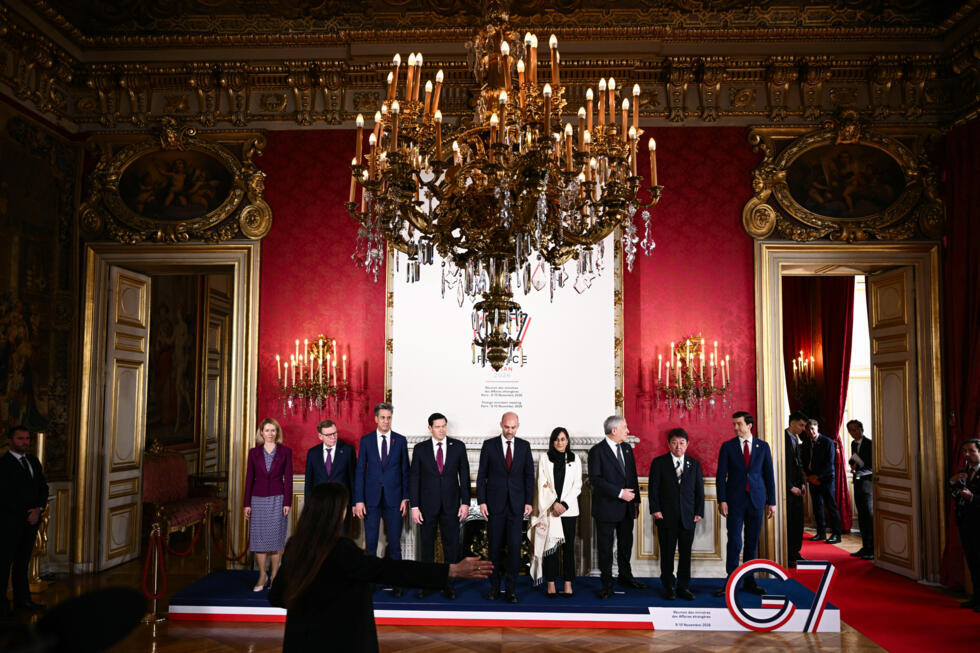
- European powers insist on a seat at the table as Washington discusses Ukraine’s future and Europe’s security architecture
European foreign ministers are seeking a stronger role in negotiations to end Russia’s war in Ukraine and are raising concerns over the future of Europe’s security arrangements as G7 foreign ministers meet in Paris.
The meeting brings together ministers from Britain, Canada, France, Germany, Italy, Japan and the United States, providing European countries and their allies an opportunity to convey their concerns directly to Washington amid growing uncertainty over US foreign policy.
The talks come as Russia’s war against Ukraine approaches its fifth anniversary following Moscow’s full-scale invasion in February 2022. They also coincide with US-mediated negotiations between Russia and Ukraine in Abu Dhabi, scheduled for Tuesday and Wednesday, aimed at finding a way to end the conflict.
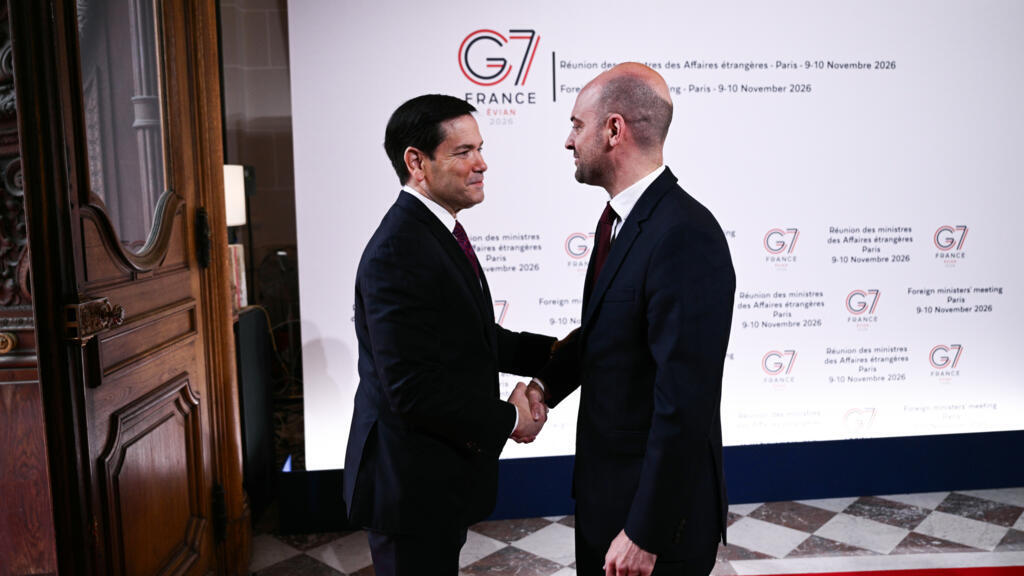
European capitals have insisted that they must be involved in decisions affecting the continent’s security and Ukraine’s future. German Foreign Minister Johann Wadephul said after meeting US Secretary of State Marco Rubio that changing Europe’s existing security architecture was neither necessary nor appropriate.
“Europe belongs at this table. There can be no solution without Europe — only with Europe,” Wadephul said. French Foreign Minister Jean-Noel Barrot also confirmed that European representatives, including France, would participate in the Abu Dhabi discussions.
Concerns have grown following US President Donald Trump’s suggestion of a potentially “very big” deal with Russia that could extend beyond Ukraine to encompass Europe. The remarks have fuelled fears in European capitals that Washington could pursue an agreement with Moscow without adequately consulting its European allies.
Rubio, before travelling to Paris, said Europe’s post-war security arrangements had repeatedly emerged as a key subject in discussions surrounding negotiations. However, he stressed that the immediate priority was to bring the conflict to an end.
Trump’s son-in-law and envoy Jared Kushner has also called for direct discussions between Russia and Europe on broader security arrangements as part of any potential peace agreement, acknowledging that difficult decisions lie ahead.
European Commission President Ursula von der Leyen, speaking in Bucharest, insisted that Russia must first stop fighting in Ukraine before meaningful discussions on wider European security arrangements could take place.
Ukraine’s Foreign Minister Andriy Sybiga is expected to join the Paris meeting for a dedicated session on Tuesday. Before departing, he stressed that Ukraine’s future must not be decided without its participation, saying: “No one has the right to decide our fate behind our backs.”
Wadephul said the Abu Dhabi negotiations would test whether Moscow was genuinely willing to reach an agreement. He urged Russia to abandon what he described as maximalist demands and cautioned against turning the discussions into a “negotiation show”.
He also pointed to continued Russian attacks on Ukrainian civilian infrastructure, saying Moscow had made no substantial contribution towards creating momentum for serious negotiations.
Canada’s Foreign Minister Anita Anand, however, welcomed the US-mediated initiative, describing it as important and positive that both sides were prepared to discuss a settlement to end the war.
Iran tensions also on agenda
The G7 ministers are also expected to address tensions surrounding Iran, with European governments seeking to prevent renewed military confrontation and restore normal shipping through the Strait of Hormuz, a critical route for international energy supplies.
Trump has not ruled out further military strikes against Iran, including a possible attack on the suspected nuclear facility known as Pickaxe Mountain, which Tehran denies is a nuclear site. However, he told CNN that a resumption of fighting was “highly unlikely”, easing some concerns about an immediate escalation.
Wadephul warned that further military action must be avoided, saying: “We certainly cannot afford any military escalation at this point.”
He added that the G7 discussions would focus on identifying ways to ensure that renewed fighting does not take place.
Rubio, meanwhile, struck a tougher tone on negotiations with Tehran, saying there had been no progress. He described Iran’s demands as unacceptable, and in some cases, “outrageous and ridiculous and really not realistic”.
The discussions in Paris are taking place against two major security challenges: efforts to end the war in Ukraine while safeguarding Europe’s role in its future security arrangements, and preventing renewed conflict involving Iran that could further threaten regional stability and international energy shipping.