2025 survey shows Kuwait’s industrial sector eyes growth, diversification
Industrial zones, export diversification, and workforce localization identified as strategic priorities to strengthen competitiveness and reduce reliance on traditional energy sectors.
A detailed report by the Public Authority for Industry has highlighted the current state and future opportunities for Kuwait’s industrial sector, emphasizing the need for diversification, investment in advanced industries, and localization of the workforce.
The report, entitled “The Reality of the Industrial Sector in Kuwait”, analyzed the sector’s performance in 2025, providing a strategic framework for policymakers and investors to enhance sustainable economic development.
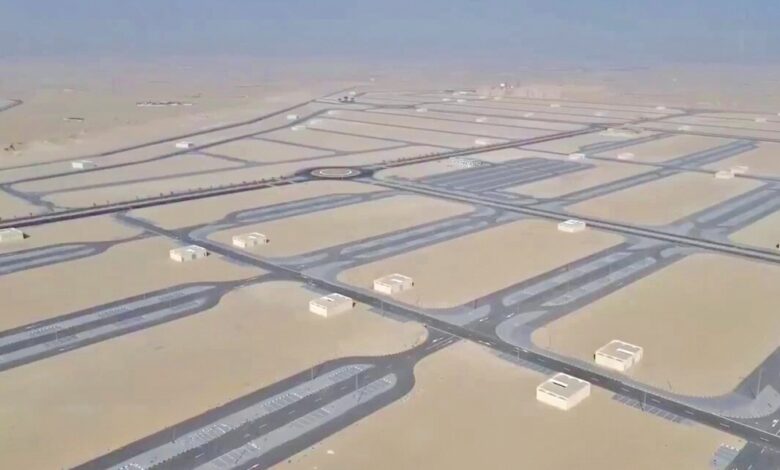
The Authority recommended accelerating the development of new industrial zones while expanding existing ones, including Subhan, Shuaiba, and Amghara, to attract investments, host new projects, and reduce establishment costs for investors.
These zones should provide integrated infrastructure and logistical services, alongside financial incentives such as easy financing and tax exemptions for industrial exporters, reports Al-Jarida daily.
The survey identified sectors with high demand but insufficient local production, including equipment repair, leather goods, transport equipment, pharmaceuticals, electronics, and recycling, recommending their localization in newly allocated industrial zones.
Conversely, sectors experiencing a production surplus—such as beverages, chemical products, and coke—should focus on export expansion and market diversification.
Kuwait’s industrial sector remains heavily concentrated in traditional energy-related industries, particularly chemical products and refined petroleum, while investment in advanced industries like electronics, pharmaceuticals, and industrial machinery remains low.
The sector also faces challenges related to declining sales, low added value, high idle capacity, and dependence on imported raw materials, underscoring the need to develop local supply chains and improve operational efficiency.
The report revealed that Kuwait’s industrial workforce totals approximately 109,000 workers, with technical management and production roles accounting for 51.5%. Expatriates dominate the workforce, representing nearly 89% of industrial employees, highlighting a significant need to localize industrial jobs and enhance participation of Kuwaiti nationals.
Efforts to improve compensation packages, including wages and in-kind benefits, have been made, but further policies are needed to attract and retain skilled Kuwaiti workers, particularly in priority sectors.
While exports grew in 2025, they remain concentrated in a limited range of products. Expanding the export base and diversifying industrial output are essential for increasing international competitiveness. Strategic incentives such as concessional financing and tax exemptions for exporters are recommended to support global market expansion.
The report presents a set of strategic recommendations:
- Promote Industrial Diversification: Focus on high value-added sectors such as electronics, pharmaceuticals, and heavy industrial equipment to reduce dependence on traditional industries.
- Enhance the Business Environment: Reduce bureaucracy and facilitate licensing and establishment procedures to attract private sector and foreign investment.
- Increase Production Efficiency: Encourage adoption of advanced technology, modernize production lines, and support sectors with low productivity.
- Localize Workforce and Build Capacity: Implement training programs and incentives to increase national labor participation, particularly in skilled industrial roles.
- Boost Industrial Exports: Develop marketing strategies, trade participation, and financial incentives to support export growth and market diversification.
The survey reflects positive trends in non-financial assets, capital spending, and profitability, with machinery and equipment investments leading technological advancement.
Despite global economic challenges — including the COVID-19 pandemic, the Russian-Ukrainian war, and inflationary pressures—the industrial sector shows resilience and potential for growth, provided that policies promote diversification, sustainability, and competitiveness.
The report concludes that Kuwait’s industrial sector has significant opportunities for expansion, particularly in emerging industries, but requires balanced investment strategies, infrastructure development, workforce localization, and innovation support to achieve long-term sustainable industrial growth.